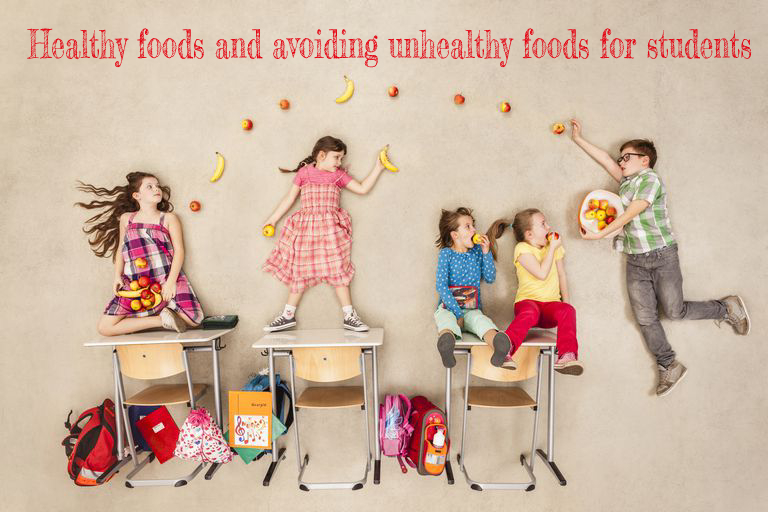
It is very easy to get caught up studies and/or work and lose track of diet. At times this results in poor health condition that can cause hair fall, bad nails, and bad breathe over time. Hence, here is a small guide for students across UK who are currently studying or living on a budget to learn from so that it does not happen to you
Here is a small list of healthy food items that replenish vitamins, nutrients and macros that are dirt cheap
- Brown rice for salads, rice dishes, stews and soups
- Whole wheat or multi grain items like pasta and bread
- Greek yogurt as snacks or in salad
- Old fashioned oats (best suited for breakfast)
- Russet potatoes
- And Spinach.
Eating healthy first of all means eating balanced diet. Balanced diets make sure that your body gets all the essentials nutrients and vitamins it needs e.g. Vitamin A from carrots is very good for eyesight. It is recommended:
- To eat foods in 5 portions consisting of veggies fruits and/or meat
- Use an item high in fiber starch like flour (Bread or roti), pasta or rice
- There should be some dairy, if allergic then there must be an alternative
- It must have some source of protein
- And most importantly water and at least 6-8 glasses of it
Try to avoid processed food, it normally contains high amount of sugar and preservatives and it can also include other food items other than readymade meals. But at the same time it must be noted that not all foods are unhealthy.
Examples of processed food:
- Canned veggies
- Cereals
- Bread
- Cheese
- And all savory snacks and drinks and
- Baked items etc.
With access to buffet style cafeterias and cheap ramen noodles it’s becoming evident due essay help that most students in college and universities gain weight.
It can be quoted with confidence that this gain of “weight” is indeed unhealthy and must be remedied. It’s believed that poor eating habits or quick pick-me-ups and late night snacks is the worst habit of all.
Here are is a small list of unhealthy food items that should be avoided and their healthy alternatives:
| Sodas and fizzy drinks | Soda water, decaf coffee, ice tea and lemon water with soda |
| Take-out Pizzas | Homemade healthier version of pizza with wholesome ingredients |
| Packaged fruit juice | Fresh squeezed orange, blueberry & pomegranate juices |
| White bread | Whole-wheat bread or gluten free and low carbohydrate bread |
| Sweet cereals | Oats and pulses |
| Fried or grilled food items | Boiled or steamed food items |
| Processed cheese | Healthier cheese options like mozzarella and cottage cheese |
| Bakery items | Fresh fruit, yogurt or dark chocolate |
It is very important to understand that low fat snacks and drinks doesn’t mean you can drink more of it and expect no weight gain as they essentially the same drinks with the same unhealthy ingredients but a lower quantity of sugar.
In university it’s very easy to get tempted and make a rash decision when it comes to the mood and comfort foods, hence just a tip exercise when you feel a little down instead of resorting to comfort foods. Comfort foods are a gateway into junk foods, making it impossible to break the cycle.
It’s about time you stepped outside of your comfort zone. Not only is it going to beneficial to health but also easy on pocket and comfort food is often bought in bulk and is way more costly.
Here is a small guide of the portions of fat, sugar and salt for adult consumption
| Portion | Amount |
| Fat | High : if > 17.5g/100g Low: if < 3.0 g/100 g |
| Saturated fat | High: if > 5g/100g Low: if <1.5g/100g |
| Sugar | High: if <22.5g/100g Low: if < 5g/100g |
| Salt | High: if < 1.5g/100g Low: if < 0.3g/100g |
So now what is the proper way to see save money and switch over to a healthy diet.it must be understood that even healthy foods can be expensive, some companies price their “healthier” food items than their normal versions. Hence
Tip no. 1: Cook at home
Tip no. 2: Buy whole food items
Tip no. 3: Don’t shop when hungry and try to stock up in sales season
Tip no. 4: Try out the generic brands they often provide the same contents for a cheaper price for the sale of sales.
Tip no. 5: Replace meats with other alternatives e.g. pulses, grains
Tip no. 6: Always be on a lookout for coupons and don’t be ashamed of using it. Some stores even offer student discounts if University ID card is presented.
Tip no. 7: Buy healthier snacks like dry fruits and maybe just one pack of your favorite snacks to treat yourself for everyday that you successfully follow this healthier routine.
Here is all in this essay help to have information about healthy foods and avoiding unhealthy foods for students and remember to plan things before execution. A well planned plan is prone to failure.
